Sahan Typeface: A Decorative Font for Branding
I was standing in the back of my small artisan candle studio last Tuesday, staring at a stack of blank kraft paper labels. The scent blends were ready—bergamot and sage, cedar and vanilla—but the packaging felt incomplete. I had tried three different standard fonts, and none of them captured the warm, exotic, yet modern vibe I was aiming for. That is when I stumbled upon Sahan, a decorative typeface that changed how I approached my brand identity.
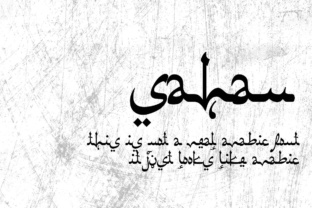
If you are a small business owner, you know that typography is not just about making words readable. It is about setting a mood before the customer even reads the product description. Sahan is unique because it looks almost like Arabic calligraphy, but it is not a real Arabic font. Instead, it is a Latin alphabet designed with the fluid curves, dramatic strokes, and artistic flair reminiscent of Middle Eastern script. For brands looking to add a touch of mystery, elegance, or cultural richness without using actual non-Latin characters, this font is a powerful tool in your design arsenal.
Why Visual Identity Matters for Small Businesses
In the world of online shops and boutique retail, your visual consistency is your handshake. When a customer sees your Instagram post, clicks through to your website, and then receives your package, the experience should feel seamless. Using a distinctive display font like Sahan helps anchor that experience. It signals that you have put thought into every detail, from the logo design to the thank-you card tucked inside the box.
I decided to test Sahan on my new line of luxury soy candles. The goal was to make the labels look premium and handcrafted. Because Sahan has such a strong personality, it works best as a headline or a logo element rather than body text. I used it for the scent names—"Midnight Oasis" and "Golden Dune"—and paired it with a clean, minimal sans serif font for the ingredient lists and safety warnings. The contrast was immediate. The decorative swirls of Sahan drew the eye, while the simple secondary font ensured readability. This balance is crucial for maintaining a professional look while still being creative.
Real-World Applications Beyond Packaging
While I initially tested this creative font on physical products, its versatility extends far beyond packaging design. If you run a café, imagine using Sahan for your seasonal menu headers. It adds a sense of occasion and warmth that standard fonts often lack. For beauty brands, it works beautifully on skincare labels where you want to convey natural elegance and sophistication. Even for service-based businesses, such as coaching or consulting, using Sahan in your social media graphics can help your brand stand out in a crowded feed.
Consider the impact on digital ads and web design. A banner featuring Sahan as the main headline font can stop a scroller in their tracks. However, because it is a decorative typeface, it requires careful handling. It is not suitable for long paragraphs or small print. Think of it as the jewelry of your typography suite—it accentuates and highlights, but it does not do the heavy lifting of information delivery. Use it for short phrases, logos, and titles where you want to make a memorable first impression.
Pairing Strategies for a Polished Look
One of the most common mistakes non-designers make is pairing two decorative fonts together. This creates visual noise and reduces readability. To keep your brand identity consistent and trustworthy, pair Sahan with something neutral. A modern serif font can add a classic, editorial feel, perfect for boutique tags or high-end product descriptions. Alternatively, a geometric sans serif keeps things contemporary and clean, which is ideal for tech-forward startups or minimalist lifestyle brands.
For example, if you are designing a flyer for a local event, let Sahan handle the event title and date. Use a simple, lightweight font for the location and details. This hierarchy guides the viewer’s eye naturally. It also ensures that your message is clear on mobile screens, where space is limited and attention spans are short. Remember, good modern typography is invisible; it facilitates communication rather than obstructing it.
Practical Tips for Using Sahan in Your Business
Before you download and start designing, there are a few practical considerations to keep in mind. First, check the file formats included. You will likely need OTF or TTF files for desktop use in programs like Photoshop or Illustrator, and WOFF files if you plan to use it on your website. Ensuring you have the right design assets prevents technical headaches later.
Second, review the commercial font licensing. If you are selling products with Sahan on the label, or using it in client work, you must ensure your license covers commercial use. Many independent font creators offer specific licenses for merchandise or digital products. It is always better to check this upfront than to face issues down the line.
Third, test readability at different sizes. Print a sample label at the actual size you intend to use. Does the intricate detail of Sahan hold up, or does it become muddy? For very small items, like jewelry tags or sticker seals, you might need to increase the tracking (letter spacing) slightly to maintain clarity. This small adjustment can make a big difference in how polished your final product looks.
- Use Sahan for headlines, logos, and short decorative accents.
- Pair it with a simple sans serif or serif font for body text.
- Ensure your license covers commercial use for products and digital media.
- Test print sizes to guarantee readability on small labels and tags.
- Maintain visual consistency across all brand touchpoints, from social media to packaging.
Ultimately, choosing the right typeface is an investment in your brand’s perception. Sahan offers a unique aesthetic that bridges the gap between traditional calligraphic beauty and modern design needs. It allows small business owners to create a distinct visual language that feels both exotic and accessible. Whether you are refreshing your online shop banner, designing new business cards, or creating Instagram templates, this font provides the artistic flair needed to make your brand memorable. By treating typography as a key component of your brand strategy, you build trust and recognition with every interaction. And in today’s competitive market, that recognition is everything.